Roadmap to Becoming a Data Analysis Expert
Hey aspiring data wizards! In this data-driven world of 2025, becoming a data analysis expert isn't just about crunching numbers—it's about turning insights into impact. Whether you're starting from scratch or upskilling, this step-by-step roadmap draws from current guides to get you there. Expect a mix of learning, practice, and networking. Let's break it down into actionable phases.

A visual overview of data analytics career paths.
Phase 1: Build a Strong Foundation
Start with basics. Learn statistics, probability, and math fundamentals through free resources like Khan Academy or Coursera. Understand data types, distributions, and hypothesis testing—these are your building blocks. Aim for 1-2 months if you're new.
Phase 2: Master Core Skills and Tools
Dive into programming: Python (with libraries like Pandas, NumPy) and SQL for querying databases. Excel or Google Sheets for quick viz. Learn data cleaning, wrangling, and visualization with Tableau or Power BI. Platforms like DataCamp or freeCodeCamp offer interactive courses. Spend 2-3 months practicing daily.

Infographic highlighting key skills in data analysis.
Phase 3: Gain Hands-On Experience with Projects
Theory alone won't cut it—build real projects. Analyze public datasets from Kaggle (e.g., Titanic survival or sales trends). Create dashboards and reports. Document on GitHub to showcase your process. Freelance on Upwork or volunteer for non-profits. 1-2 months here builds your portfolio.
Phase 4: Earn Certifications and Advanced Knowledge
Boost credibility with certs like Google Data Analytics (free on Coursera) or Microsoft Certified: Data Analyst Associate. Explore machine learning basics for edge—use scikit-learn in Python. Network on LinkedIn or Reddit's r/dataanalysis.
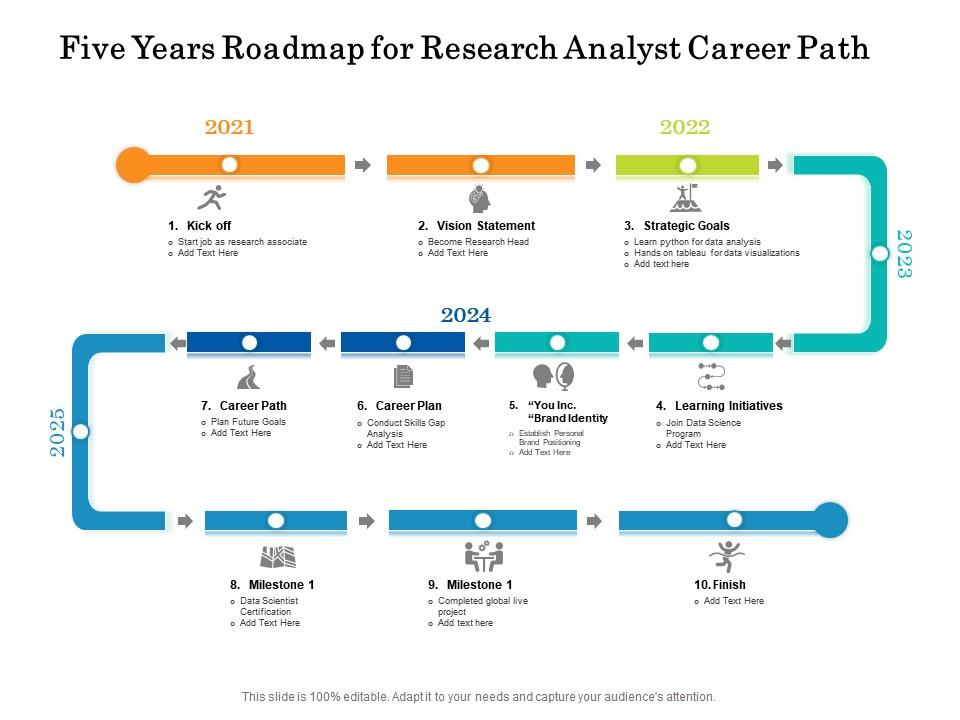
A five-year roadmap slide for analyst progression.
Phase 5: Land Your First Role and Keep Growing
Tailor resumes to highlight projects and skills. Apply to entry-level roles—expect interviews with SQL queries or case studies. Once in, seek mentorship and continue learning (e.g., AI ethics in data). Aim for 6-12 months total to expert level with consistent effort.
As someone who's navigated tech paths, persistence pays off—track progress weekly. Resources evolve, so stay updated via blogs or YouTube. Ready to crunch? Start today!


Comments
Post a Comment