The Christmas Virus
The Christmas Virus: A Historical Computer Worm
If you're asking about "the Christmas virus," it likely refers to the infamous Christmas Tree EXEC worm from 1987, one of the earliest widespread computer worms that disrupted global networks during the holiday season. Created anonymously by a student at Clausthal University of Technology, this REXX script targeted IBM VM/CMS systems on mainframes.
History and Spread
The worm emerged in December 1987, spreading via IBM's internal VNET, BITNET, and the European Academic Research Network (EARN). It masqueraded as a harmless Christmas greeting executable. Once run, it accessed the user's address book (CMS NAMES files) and emailed copies to all contacts using the SENDFILE command. Recipients, curious about the "Christmas card," executed it, perpetuating the cycle. This self-replication overwhelmed networks, marking it as the first wide-area network (WAN) virus.
Effects
Upon activation, it displayed a simple ASCII Christmas tree with blinking colors on compatible terminals, wishing "Merry Christmas." However, the real damage was network congestion from mass emailing, paralyzing systems worldwide. No data was destroyed, but it highlighted vulnerabilities in file sharing and user trust.
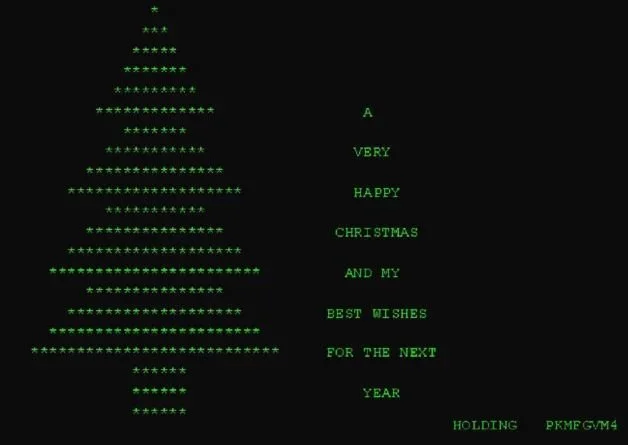
An illustration of the worm's holiday-themed impact.
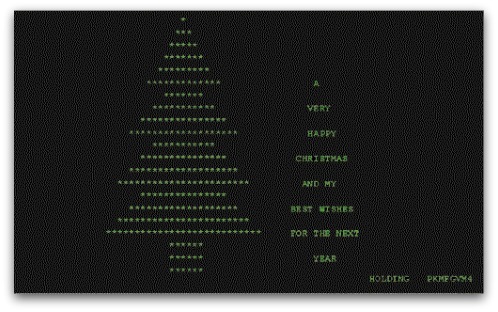
The ASCII art tree that appeared on infected systems.
Lasting Impact
This worm foreshadowed modern email viruses like ILOVEYOU (2000), emphasizing the need for cybersecurity awareness. It spurred early discussions on malware ethics and network security, influencing today's antivirus protocols.
If you meant a recent "Christmas mystery virus," it could refer to media hype around adenovirus—a common respiratory bug causing cold-like symptoms, not a new threat. Experts debunk it as routine, not holiday-specific.
For protection against real viruses (digital or biological), keep software updated and stay informed!


Comments
Post a Comment