Various Types of Cyber Attacks You Must Be Aware Of on the Internet
Various Types of Cyber Attacks You Must Be Aware Of on the Internet
In our hyper-connected world of 2025, cyber attacks are more sophisticated and frequent than ever, costing billions and compromising privacy. Whether you're browsing social media or shopping online, awareness is your first defense. From AI-powered scams to state-sponsored hacks, here's a rundown of key types to watch out for. I've drawn from reliable sources to keep this real and relevant—stay vigilant!

What is Cyber Attack Meaning? Types and Examples
- Phishing Attacks: Deceptive emails or messages tricking you into revealing sensitive info. Often mimic trusted sources; AI makes them hyper-personalized in 2025.
- Ransomware: Malware encrypting your files, demanding payment for access. It's rampant, targeting businesses and individuals alike.
- Malware: Broad category including viruses, worms, and Trojans that infect devices to steal data or cause harm.

What are the 8 main cyber security threats? - FortifyData ...
- Distributed Denial-of-Service (DDoS): Floods websites with traffic to crash them, often for extortion or disruption.
- Man-in-the-Middle (MITM): Intercepts communication between parties, eavesdropping or altering data, common on unsecured Wi-Fi.
- SQL Injection: Exploits web app vulnerabilities by injecting malicious code into databases, stealing or manipulating data.
- Supply Chain Attacks: Targets third-party vendors to infiltrate larger networks, like the SolarWinds hack's echoes in 2025.
- Zero-Day Exploits: Attacks unknown vulnerabilities before patches, prized by hackers for surprise strikes.
- Deepfakes and AI-Driven Attacks: Fake media or automated bots for misinformation or fraud, escalating with AI advancements.
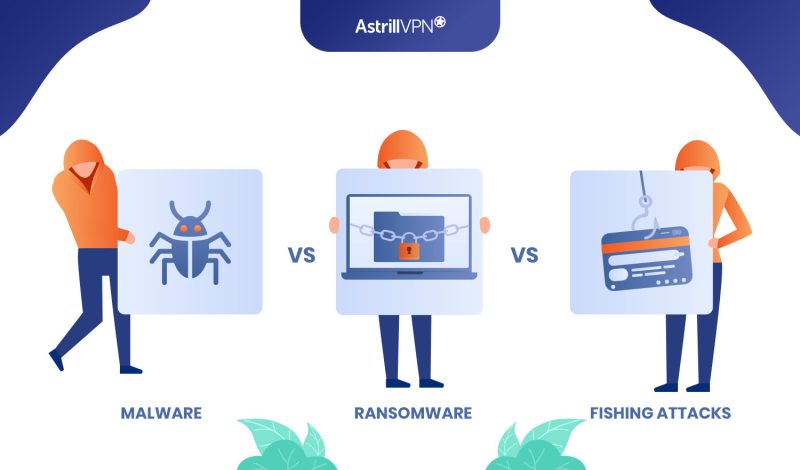
Malware vs. Ransomware vs. Phishing Attacks: Find out the Key ...
- IoT Vulnerabilities: Hacks on smart devices like cameras or thermostats, turning them into botnets for larger attacks.
- State-Sponsored Espionage: Government-backed hacks for intel theft, like spearphishing on diplomats.
- Insider Threats: Internal actors leaking data, intentional or accidental, rising with remote work.
Protect yourself with strong passwords, updates, VPNs, and skepticism. Cyber threats evolve, but so can your defenses. What's your biggest online worry?


Comments
Post a Comment